

PhishEye connects discovery, investigation, evidence, ownership, and follow-up for e-commerce. Teams can use the same operational record to prioritize customer-visible risk, coordinate with providers, and measure progress from first detection through mitigation instead of treating each alert as an isolated event.
Retail & online brands
Coverage areas
Domains, social, app stores (scoped to your program)
Delivery
Platform workflows + optional managed services
Outputs
Prioritized queues, evidence, takedown tracking
Coverage
Threat patterns programs typically monitor
Programs are tuned to your marks and channels; the list below reflects common categories teams prioritize.
Fake apps in official stores
Listings that abuse your brand name, icon, or screenshots on Apple App Store and Google Play.
Third-party and sideload distribution
Aptoide, APKMirror, regional stores, and Telegram-distributed APKs that fall outside Apple/Google policy reach.
Counterfeit storefronts and seller fraud
Marketplace sellers and storefronts using your marks for counterfeit goods, often paired with off-platform payment scams.
Review and rating manipulation
Review-bombing of your real app or coordinated 5-star inflation on impostor listings — both shift consumer trust signals.
Permissions and metadata red flags
Suspicious permissions, developer-account history, and certificate signing patterns that mark a listing for closer review.
Store-specific reporting paths
What evidence each store actually accepts and how takedown SLAs differ between Apple, Google, and third-party marketplaces.
From discovery to takedown under peak load
Retail abuse spikes around launches and holidays. Programs need triage that protects conversion and loyalty without drowning analysts in noise.
Prioritize checkout and support mimics
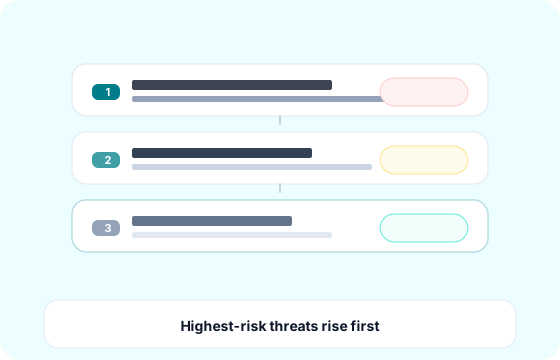
Fake clearance portals, spoofed order-status pages, and scam “customer service” hubs directly hit revenue and NPS. Similarity and payment-adjacent signals should float those cases ahead of low-risk parking noise.
Sustain enforcement through the surge
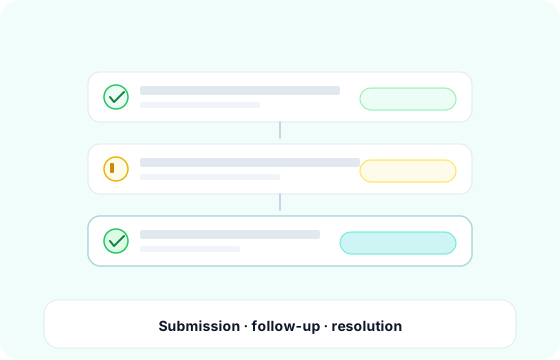
Automation can draft evidence and route repeat hosts; analysts focus on stubborn providers and coordinated campaigns. Track partial mitigations and recycle so merchandising and PR see honest closure, not ticket volume alone.
What hurts revenue
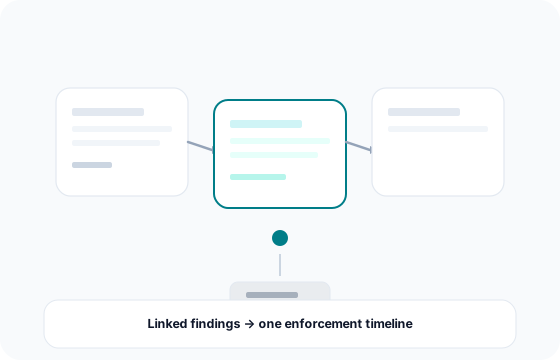
Coupon phishing, fake clearance sites, and counterfeit pages that rank in search or ride on SMS campaigns. Social storefronts and marketplace copycats often point to off-platform payment scams, link those assets in one case file when possible.
Peak-season readiness
Before major sales, widen watchlists, shorten triage SLAs for payment-adjacent alerts, and align comms on what “resolved” means for customers. Post-event reviews should capture recycle patterns for the next cycle.
Protect revenue and customer trust
See how PhishEye centralizes detections, evidence, and takedowns so security, fraud, and brand teams share one operational picture.
FAQs
Common questions
What seasonal spikes should e-commerce teams expect?
How do we protect checkout flows specifically?
Who usually owns the budget-security or marketing?
Explore further
Related pages
Ready to scope a program for your marks and channels?