
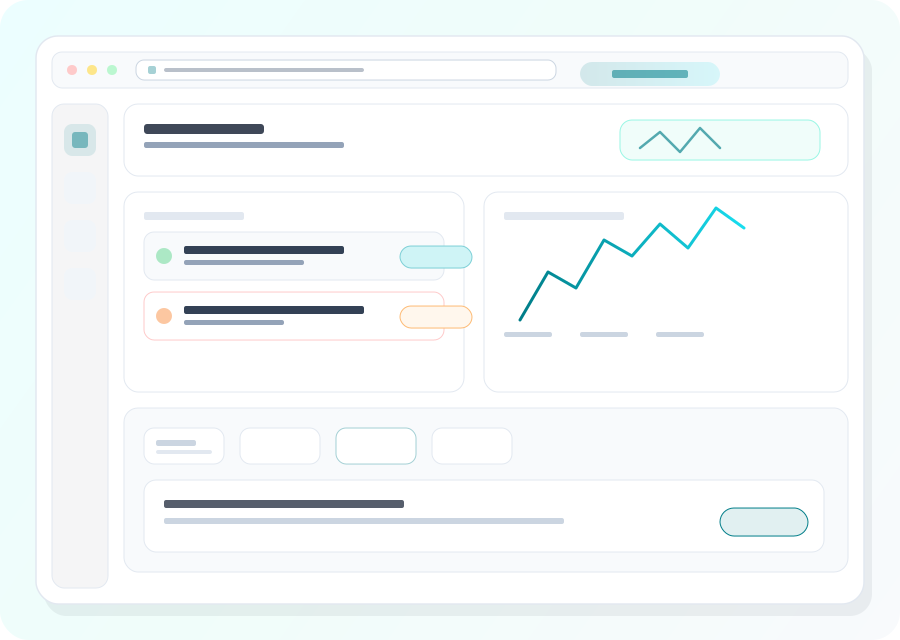
PhishEye connects discovery, investigation, evidence, ownership, and follow-up for dark web monitoring. Teams can use the same operational record to prioritize customer-visible risk, coordinate with providers, and measure progress from first detection through mitigation instead of treating each alert as an isolated event.
Coverage areas
Domains, social, app stores (scoped to your program)
Delivery
Platform workflows + optional managed services
Outputs
Prioritized queues, evidence, takedown tracking
Coverage
Threat patterns programs typically monitor
Programs are tuned to your marks and channels; the list below reflects common categories teams prioritize.
Leaked credentials and account dumps
Customer and employee credentials surfacing in stealer logs, breach combolists, and underground marketplaces.
Underground chatter staging campaigns
Pre-incident signals on Telegram channels, hacker forums, and access-broker listings that name your brand or surface.
Stealer-log activity referencing your domains
Hits in stealer-log streams that include customer browser sessions or employee tokens for your authentication surfaces.
Marketplace mentions of your assets
Listings of accounts, data, or access tied to your organization on the markets where that inventory turns over fastest.
Coordinated actor pattern signals
Cross-source correlation that links chatter, infrastructure, and identifiers to the same actor or campaign cluster.
AI-triaged surfacing with citations
Models summarize and tag findings, but every claim ships with a verifiable source — no opaque scoring black box.
What belongs on this page
Credential leaks referencing your domains, chatter about upcoming scams, and recycled phishing kits-each should map to a response play.
People-first content
Describe which sources are monitored, how findings are validated, and when customers get notified. Search and AI systems reward specificity over hype.
Protect revenue and customer trust
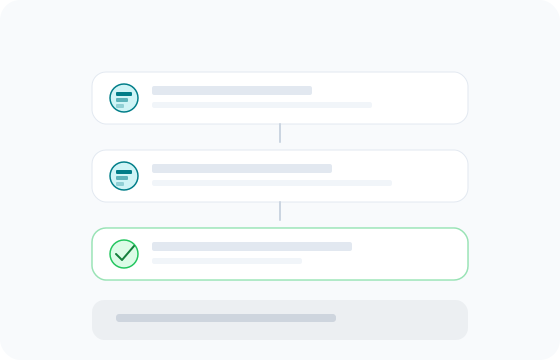
See how PhishEye centralizes detections, evidence, and takedowns so security, fraud, and brand teams share one operational picture.
FAQs
Common questions
What should dark web monitoring actually deliver?
Where does AI fit responsibly?
How do we validate a leak references our organization?
When should a dark web finding trigger full incident response?
Ready to scope a program for your marks and channels?