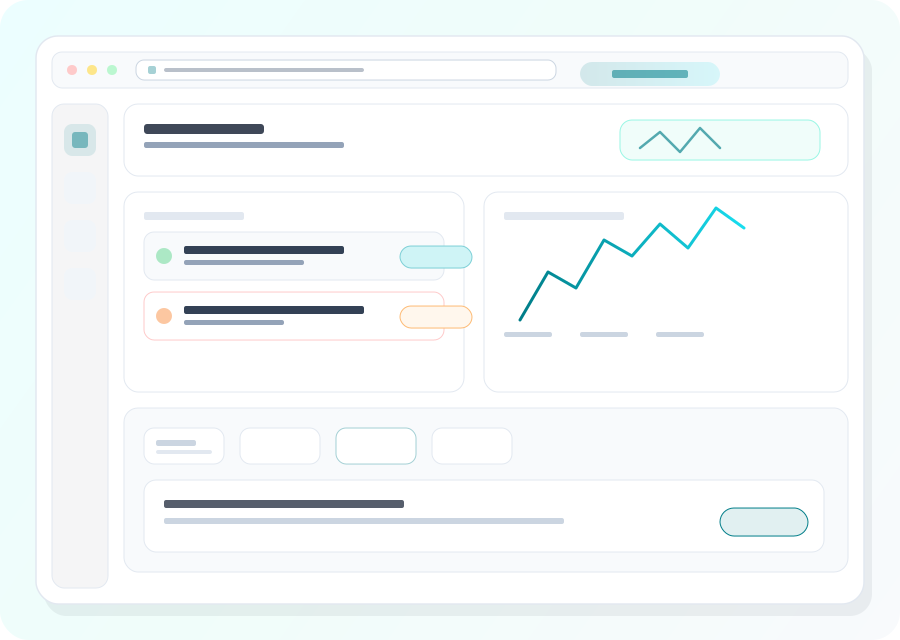
PhishEye connects discovery, investigation, evidence, ownership, and follow-up for brand protection platform. Teams can use the same operational record to prioritize customer-visible risk, coordinate with providers, and measure progress from first detection through mitigation instead of treating each alert as an isolated event.
Reputation, trust, and enforcement
Coverage areas
Domains, social, app stores (scoped to your program)
Delivery
Platform workflows + optional managed services
Outputs
Prioritized queues, evidence, takedown tracking
Coverage
Threat patterns programs typically monitor
Programs are tuned to your marks and channels; the list below reflects common categories teams prioritize.
Web impersonation across login and checkout
Domains and pages mimicking authentication, payment, or support journeys — prioritized by live content and customer impact.
Social brand misuse and impostor pages
Clone profiles, scam storefronts, and misleading listings borrowing your name, marks, or creative assets.
Marketplace and counterfeit listings
Resellers and storefronts exploiting your brand on Amazon, Etsy, AliExpress, and regional marketplaces.
Executive and VIP impersonation
Cross-channel impersonation chains targeting leadership, finance, and high-trust roles in your organization.
Trademark and IP cataloging
Use of your marks across web, apps, ads, and social — cataloged for legal review and bulk enforcement.
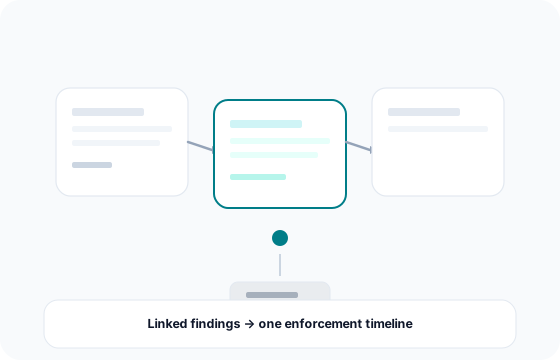
One operational case file across teams
Security, fraud, legal, brand, and communications working from one timeline and one evidence pack per incident.
One program across web, social, apps, and marketplaces
Scan the core moves first, FAQs and related guides carry vendor evaluation, metrics, and pilot design.
Visibility across how abuse actually shows up
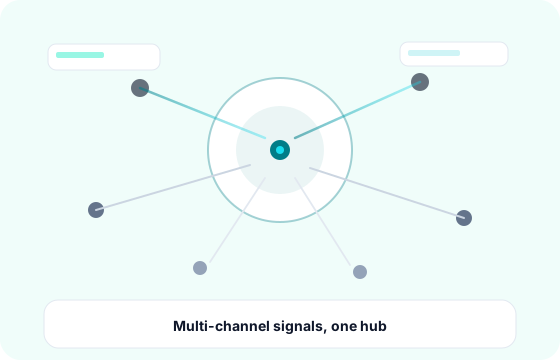
Brand protection is not one detector. It is scam storefronts, spoofed support, phishing pages, fake apps, marketplace fraud, and social impersonation, each with different platform owners and evidence rules. A serious program ties those signals so analysts see patterns, not isolated tickets.
Prioritized by harm, not alert volume
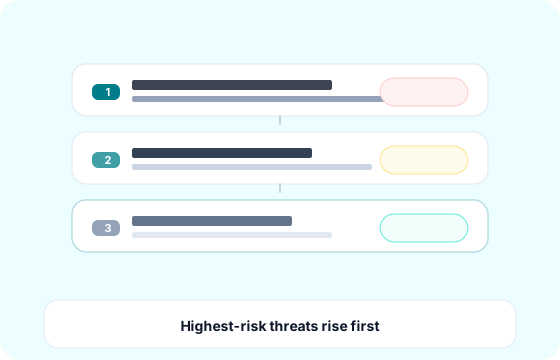
Not every logo misuse is an emergency. Payment scams, credential paths, and viral impersonation outrank parking pages and gray-market noise. Explicit tiers keep on-call rules defensible when everything feels urgent.
One case file, shared narrative
Legal, security, fraud, brand, and communications should read from one timeline and one evidence pack. Clusters of related domains, social handles, and apps strengthen registrar, host, and platform appeals without rebuilding the story per channel.
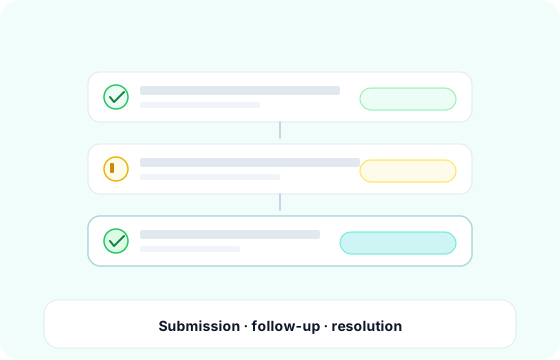
Takedown status you can defend
Track submissions, follow-ups, partial mitigations, and recycle events across registrars, hosts, CDNs, app stores, and social platforms. Reporting should reflect customer-visible outcomes, not ticket opens alone.
Who this is for
Enterprise brand and trust teams, global security and fraud groups, financial institutions with regulatory expectations, and any organization where impersonation directly touches customers. Also teams writing RFPs who compare vendors on workflow depth and evidence quality, not slide breadth.
A platform, not a set of point tools
Brand protection tools usually cover one channel: a typosquat scanner, a social feed, an ad monitor. PhishEye runs lookalike domain and typosquat monitoring, phishing and scam page detection, social, ad and search, app store and dark web monitoring, and takedowns in one console, so a case that spans a domain, a fake profile and a scam ad stays one case.
If you are comparing brand protection software, the buyer's guide linked on this page has the RFP checklist, pilot design and scorecard, and the roundup lists the other brand protection platforms and companies on what their own sites state.
Protect revenue and customer trust
See how PhishEye centralizes detections, evidence, and takedowns so security, fraud, and brand teams share one operational picture.
FAQs
Common questions
What is a brand protection platform meant to solve?
How do you avoid overlapping with our trademark counsel?
Which industries get the most value from brand programs?
How does brand protection relate to phishing and fraud programs?
Ready to scope a program for your marks and channels?