
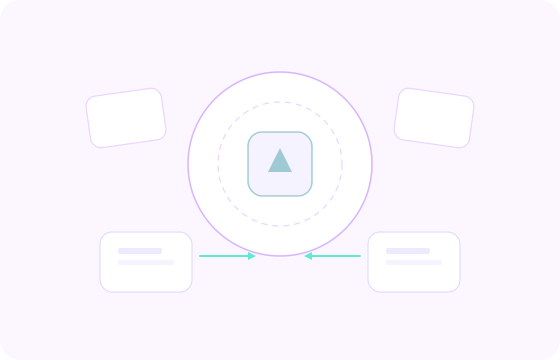
PhishEye connects discovery, investigation, evidence, ownership, and follow-up for brands & enterprises. Teams can use the same operational record to prioritize customer-visible risk, coordinate with providers, and measure progress from first detection through mitigation instead of treating each alert as an isolated event.
Portfolio & global programs
Coverage areas
Domains, social, app stores (scoped to your program)
Delivery
Platform workflows + optional managed services
Outputs
Prioritized queues, evidence, takedown tracking
Coverage
Threat patterns programs typically monitor
Programs are tuned to your marks and channels; the list below reflects common categories teams prioritize.
Web impersonation across login and checkout
Domains and pages mimicking authentication, payment, or support journeys — prioritized by live content and customer impact.
Social brand misuse and impostor pages
Clone profiles, scam storefronts, and misleading listings borrowing your name, marks, or creative assets.
Marketplace and counterfeit listings
Resellers and storefronts exploiting your brand on Amazon, Etsy, AliExpress, and regional marketplaces.
Executive and VIP impersonation
Cross-channel impersonation chains targeting leadership, finance, and high-trust roles in your organization.
Trademark and IP cataloging
Use of your marks across web, apps, ads, and social — cataloged for legal review and bulk enforcement.
One operational case file across teams
Security, fraud, legal, brand, and communications working from one timeline and one evidence pack per incident.
Scale without losing legal discipline
Enterprises juggle hundreds of marks and regions. The goal is consistent severity language, shared evidence, and reporting leadership can compare quarter to quarter.
Portfolio-aware coverage
Group related marks, local language variants, and campaign-specific assets so analysts see clusters, not isolated strings. Regional nuance belongs in routing rules, not in one-off spreadsheets.
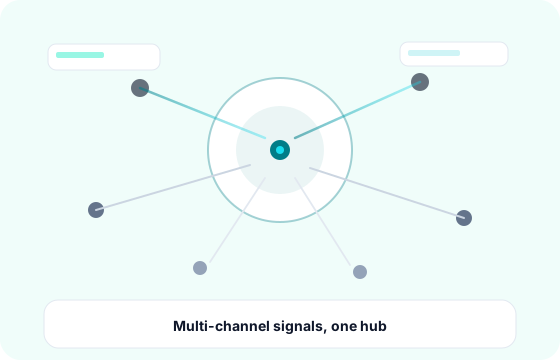
One evidence standard for counsel and providers
Exports should read the same whether the target is a registrar, host, marketplace, or social platform. Stable identifiers and timestamps reduce rework when cases escalate or recycle.
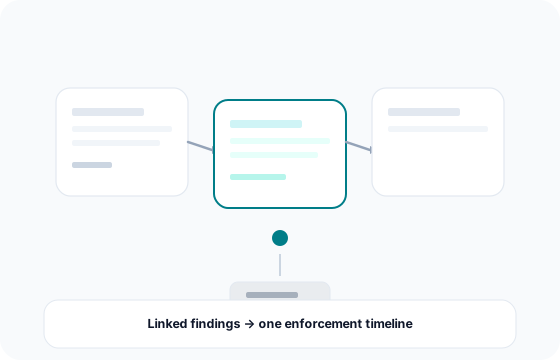
Program outcomes
Prioritize marks and geos, align on severity vocabulary, and standardize what “resolved” means for quarterly reviews. Tie social, web, and app findings to the same case IDs so communications and legal brief from identical facts.
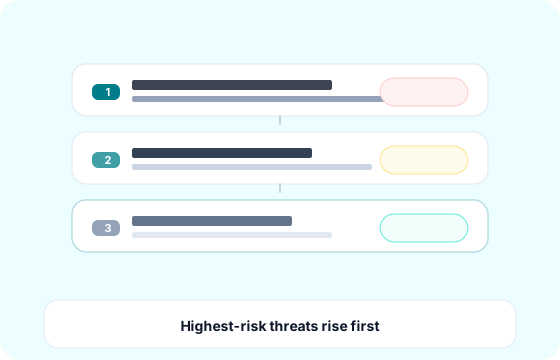
Governance and stakeholder reporting
Dashboards should show time-to-mitigate, recycle behavior, and channel coverage gaps, not vanity alert counts. Executive summaries stay credible when metrics map to customer-visible harm reduction.
Protect revenue and customer trust
See how PhishEye centralizes detections, evidence, and takedowns so security, fraud, and brand teams share one operational picture.
FAQs
Common questions
How do global portfolios avoid alert floods?
What reporting do boards or GCs typically need?
Can agencies work inside the same instance?
Explore further
Related pages
Ready to scope a program for your marks and channels?