
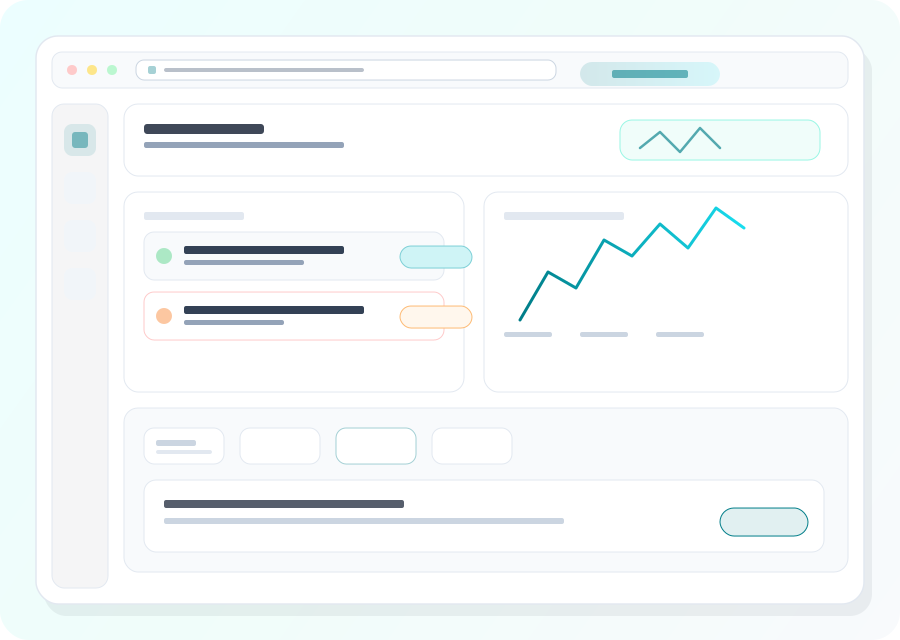
Brand rights and enforcement readiness
Coverage areas
Domains, social, app stores (scoped to your program)
Delivery
Platform workflows + optional managed services
Outputs
Prioritized queues, evidence, takedown tracking
Coverage
Threat patterns programs typically monitor
Programs are tuned to your marks and channels; the list below reflects common categories teams prioritize.
Live trademark misuse on web and social
Active uses of your marks tied to real customer-facing harm, separated from passive mentions and editorial coverage.
Counterfeit listings on marketplaces
Goods sold using your brand across Amazon Brand Registry, eBay VeRO, Etsy, Walmart, and regional storefronts.
New-filing alerts for confusingly similar marks
USPTO, EUIPO, and WIPO filings that approach your portfolio — surfaced before they grant or progress.
UDRP and URS threshold detection
Domain disputes scoped to cases where ICANN dispute mechanisms are the right tool, not a heavy hammer.
Cease-and-desist evidence packaging
Structured exports ready for counsel: detection timestamps, page captures, mark references, and use-in-commerce context.
Counsel-ready exports for disputes
Audit trails and chain-of-custody for evidence used in trademark opposition, takedowns, and litigation.
What trademark monitoring should detect
High-risk misuse includes impersonation domains, fake storefront listings, social clones, and paid search abuse that borrows your marks to divert trust. Teams need a queue that separates active fraud and customer harm from low-risk references.
Evidence quality for faster action
Provider and platform teams move faster when reports include clear mark references, side-by-side comparisons, timestamps, and a concise harm narrative. Consistent evidence packaging reduces back-and-forth and improves takedown throughput.
How this connects to search and domain protection
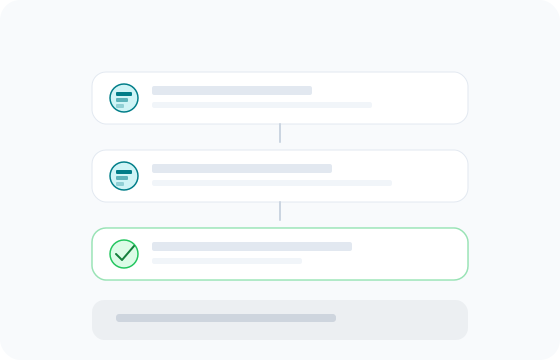
Trademark workflows are strongest when linked with domain monitoring, phishing detection, and search channel checks. Shared cases help legal, fraud, and security teams track one campaign timeline instead of isolated tickets.
Protect revenue and customer trust
See how PhishEye centralizes detections, evidence, and takedowns so security, fraud, and brand teams share one operational picture.
FAQs
Common questions
Does trademark monitoring only cover domains?
How does this work with legal counsel?
What should we prioritize first?
Explore further
Related pages
Ready to scope a program for your marks and channels?